

Modified on: 20/09/2022
Another element contained in marijuana with multiple properties
Hemp has been used since time immemorial for its many beneficial properties.However, with the advent of prohibition from the United States, this plant was downgraded to a mere narcotic due to the psychotropic properties of one of its primary active ingredients: THC.Since then, its consumption has been banned and even considered illegal.Despite this widespread prejudice against cannabis, scientific discoveries about its components and potential therapeutic uses continue to abound.The latest news concerns one of its components, also contained in other plants and has diverse qualities: pinene.
In this article, we try to understand what it is and why the investigation needs to be thorough.To better understand pinene, let’s start by briefly discussing the category to which it belongs: the terpenes.




Read also: How to know when the weed is ready? Three tips for deciding when to harvest cannabis
Terpenes: what are they?
Terpenes are the elements responsible for many plants’ characteristic smell and aroma, including cannabis.In the case of marijuana, these organic compounds are found in the resin, which is produced by tiny glands, the trichomes. In addition to terpenes, the resin also contains flavonoids and cannabinoids.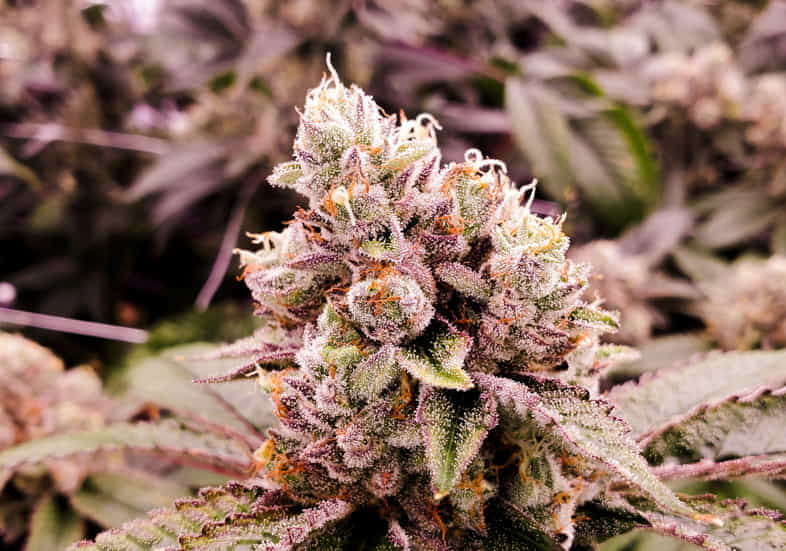 Terpenes contained in the resin produced by cannabis trichomes
Cannabis contains more than 200 terpenes, which can be classified into two subgroups: primary terpenes – including pinene – and secondary terpenes.The functions of terpenes are diverse: the main one is to protect the plant from predators and pathogens. Secondly, they act as bait for pollinators and other potential allies. Finally, they impart the characteristic scent that distinguishes one plant from others.Let us now look more specifically at what pinene is.
Terpenes contained in the resin produced by cannabis trichomes
Cannabis contains more than 200 terpenes, which can be classified into two subgroups: primary terpenes – including pinene – and secondary terpenes.The functions of terpenes are diverse: the main one is to protect the plant from predators and pathogens. Secondly, they act as bait for pollinators and other potential allies. Finally, they impart the characteristic scent that distinguishes one plant from others.Let us now look more specifically at what pinene is.But what is pinene? And where is it found?
As we said, pinene is one of the primary terpenes in cannabis, but not only. It is also contained in pine plants – from which it takes its name -rosemary, dill and basil.Its main characteristic is its balsamic aroma, but in cannabis, it is not limited to this.This element can define the intensity and drugging effect caused by a given variety of marijuana, as can cannabinoids. Indeed, discerning smokers also pay attention to this aspect when choosing which type of cannabis to purchase, whether for medicinal or recreational use.In the specific case of pinene, it appears to have the ability to increase the attention threshold and counteract short-term memory loss, often caused by too much THC intake.It also appears to effectively limit any negative feelings that arise from immoderate marijuana consumption, such as paranoid delirium.For this reason, pinene is of paramount importance to all cannabis users who find it difficult to cope with the potential adverse effects but do not want to give up the benefits.But pinene’s beneficial properties do not end there. Let’s take a look at the benefits attributed to this terpene.Read also: Marijuana leaves: characteristics and possible uses
What is the therapeutic potential of pinene? Studies on the subject
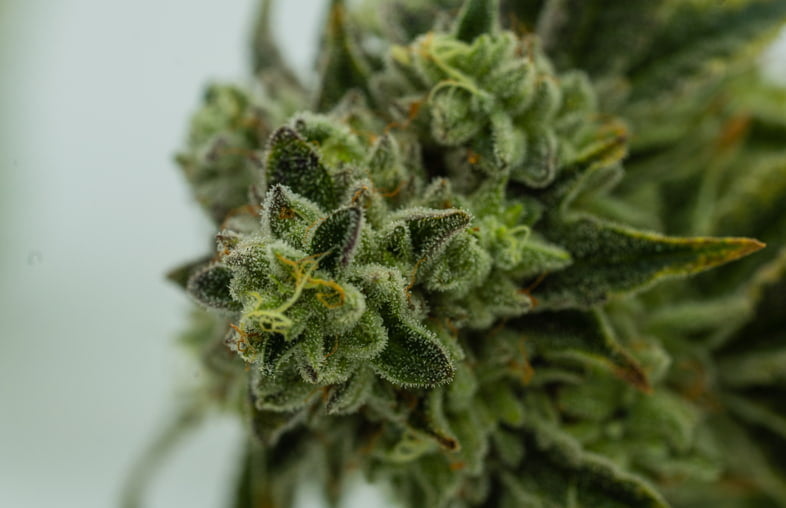 Since ancient times, the balsamic properties of certain plants have been exploited for human benefit.The main properties of pinene are its concentration-enhancing and bronchodilating action.In addition, it appears to have anti-inflammatory, antioxidant and topical antiseptic properties.Studies on the beneficial properties of pinene are varied and confirm them.In a 2002 study published in Inhalation Toxicology, researchers demonstrated that pinene has an effective bronchodilator action.In further research in 2011 conducted by Northeast Forestry University in China, it was shown how pinene’s antimicrobial properties might have exciting applications in the treatment of viral and bacterial infections. Specifically, we read how pinene can be a valuable ally in the fight against viral bronchitis, which is usually much more challenging to treat than common bacterial infections.But the studies on the therapeutic properties of this particular terpene do not end there.The British Journal of Pharmacology also has interesting research to its credit. In particular, in a 2011 publication, researchers confirmed the anti-inflammatory properties of pinene in the treatment of chronic ailments such as arthritis, Crohn’s disease, cancer and multiple sclerosis. In addition, the famous entourage effect, i.e. the ability of cannabis components to act more effectively when taken simultaneously, is also mentioned in this study.The anti-cancer properties of pinene are also demonstrated by two further studies, from 2013 and 2015, highlighting the terpene’s ability to inhibit the growth and spread of cancer cells.