

Published on: 24/10/2025
Everything You Need to Know About Cannabis Sativa: Characteristics, Uses, and Effects
Among the most widespread and cultivated cannabis varieties worldwide, Cannabis sativa stands out for its reputation and versatility. Valued for both recreational and therapeutic purposes, this plant has a fascinating history that spans centuries of cultivation, scientific research, and cultural traditions.
Recognized for its stimulating and creative properties, sativa stands out due to distinct genetic, chemical, and morphological traits that set it apart from other cannabis varieties. Autoflowering cannabis seeds allow growers to obtain plants that retain these qualities, offering rapid growth and autonomous flowering. In this comprehensive guide, we will explore all aspects of Cannabis sativa: from its origins and history, to its botanical characteristics, as well as its effects, benefits, and differences compared to indica and ruderalis varieties.



What is Cannabis Sativa and Why Is It Called That
Cannabis sativa is one of the main varieties of the cannabis plant and belongs to the Cannabaceae family. The term “sativa” comes from the Latin word sativus, meaning “cultivated” or “sown,” highlighting that this variety has historically been selected by humans for agricultural, industrial, and recreational purposes. In other words, Cannabis sativa represents the “cultivated-for-use” plant, distinct from wild or local varieties such as indica or ruderalis.
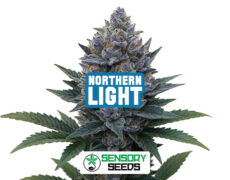
This variety stands out for its rapid growth and generally tall stature. Compared to other types of cannabis, sativa develops taller, slimmer stems, widely spaced internodes, and long, narrow leaves, giving it a distinctive, easily recognizable appearance. In terms of effects, sativa is valued for its stimulating and cerebral properties, promoting energy, creativity, focus, and social engagement—traits that make it especially popular among recreational and creative users.
The name “sativa” was not chosen by chance: in early historical cultivations, this variety was used not only for personal consumption but also for producing textile fibers, oils, and edible cannabis seeds. This connection to cultivation and human selection led to the term “sativa” clearly identifying a plant that was intentionally grown and optimized for specific purposes, distinguishing it from wild or native varieties that grew naturally without human intervention.
Characteristics of Cannabis Sativa
Cannabis sativa has distinctive traits that clearly define its appearance, growth, and effects. Botanically, sativa plants tend to grow very tall, often exceeding two meters in indoor cultivation and reaching three to four meters outdoors. The branches are long and thin, with well-spaced internodes that promote proper airflow between the buds, reducing the risk of mold and fungal diseases. The leaves, typically light green, have long, narrow lobes, clearly distinguishing them from the shorter, more compact leaves of indica varieties.
From a chemical perspective, fast-flowering sativa marijuana seeds typically have a higher THC content compared to CBD. This composition is responsible for the stimulating and cerebral effects characteristic of sativa, promoting energy, creativity, and focus, making it ideal for social, artistic, and recreational activities. The resulting buds tend to be longer and less dense than indica flowers, while still maintaining a high concentration of resin and cannabinoids. The flowering period is generally longer, ranging from 10 to 16 weeks depending on the strain and growing conditions, requiring careful management of light, nutrients, and environment to achieve optimal harvests.
Cannabis sativa is also a particularly adaptable plant to different climatic conditions, although it prefers warm and sunny climates to reach its full potential. Its wind-resistant structure, combined with the ability to withstand common pests and diseases, has made it an ideal choice for outdoor cultivation in tropical and subtropical regions. Its height and slender shape allow it to efficiently capture sunlight, while flexible branches and widely spaced internodes reduce the risk of damage during adverse weather conditions.
In summary, the physical, chemical, and adaptive characteristics of cannabis sativa make it a versatile variety, valued both for its stimulating effects and for its ability to thrive in different environments, from controlled indoor cultivation to outdoor plantations in warm and sunny regions.
Read also: Successfully Growing THC Cannabis Seeds: Tips and Insights

Differences Between Cannabis Sativa, Indica, and Ruderalis
Cannabis sativa stands out clearly from the other two main cannabis varieties: indica and ruderalis. Cannabis indica, native to the mountainous regions of India and Afghanistan, features shorter, more compact plants, broad leaves, and dense buds. In terms of effects, indica tends to produce more relaxing and sedative sensations, often felt physically, while sativa stimulates the mind, promoting energy, focus, and creativity. Flowering times also differ: indica generally completes its cycle in 8–10 weeks, whereas sativa requires longer periods, varying depending on the strain and growing conditions.
Ruderalis cannabis, less well-known, originates from cold and temperate regions such as Russia and several Eastern European countries. This variety is characterized by compact growth and the ability to flower automatically, regardless of the photoperiod, which is why it is termed “autoflowering.” Ruderalis effects are generally milder and less stimulating, which is why it is often used in crosses with sativa or indica. These hybrids aim to produce autoflowering plants with higher THC content than pure ruderalis, combining speed and potency in a single strain.
In summary, cannabis sativa is distinguished by its tall stature, narrow leaves, long flowering period, and stimulating effects; indica by its compact growth, broad leaves, and relaxing effects; and ruderalis by its automatic flowering and generally lower cannabinoid content. Understanding these differences is essential for growers and users, as it allows for selecting the variety best suited to desired goals, whether for therapeutic or recreational purposes, and for optimizing the cultivation process according to individual needs.
Origins and History of Cannabis Sativa
Cannabis sativa has very ancient origins and has played a significant role in human history for millennia. Archaeological evidence dates back thousands of years in regions of Central Asia corresponding to present-day China and India. Botanical and archaeological studies indicate that sativa was among the first cannabis varieties selectively cultivated by humans, not only for recreational use but also for the production of textile fibers, ropes, fabrics, and everyday tools. Its adaptability to different climates, combined with rapid growth and the production of long, strong fibers, made it a fundamental resource in early agricultural societies.
Over the centuries, the use of Cannabis sativa expanded to include food and traditional medicine. Hemp seeds were consumed as a source of protein and vegetable oils, while leaves and flowers were used to relieve pain, reduce inflammation, improve sleep, and treat various ailments. In regions such as China, India, and the Middle East, sativa became a key element in traditional herbal medicine, valued both for its therapeutic properties and the nutritional benefits of its seeds.
The spread of Cannabis sativa across the rest of the world was facilitated by trade along land and sea routes and by cultural exchanges between different populations. The plant reached the Middle East, Europe, and later Africa, adapting to local climates and being integrated into traditional agricultural practices. In each geographic area, growers developed local varieties with specific traits, selecting plants best suited to the climate, soil, and intended uses, whether for textile, food, or medicinal purposes.
In the 20th century, with the growing popularity of cannabis for recreational use, sativa entered a new phase of genetic selection. Targeted crossbreeding produced strains with high THC content and distinctive aromatic profiles, making it particularly appreciated by modern consumers. At the same time, scientific research deepened understanding of cannabinoids and their effects on the human body, confirming the effectiveness of sativa in therapeutic and medical contexts as well.
Today, cannabis sativa is cultivated worldwide, both in indoor and controlled greenhouse environments as well as outdoors, retaining many of the properties that made it historically significant. Its combination of stimulating effects, distinctive aromas, and high adaptability makes it one of the most studied, appreciated, and used varieties for both therapeutic and recreational purposes, solidifying its role as an undisputed protagonist in the global cannabis landscape.
Effects of Cannabis Sativa
The effects of cannabis sativa are primarily cerebral and stimulating, making it especially appreciated by those seeking a plant that promotes energy, creativity, and motivation. Many users report sensations of mild euphoria, mental agility, and increased focus, qualities that make sativa ideal for social activities, creative projects, study or work sessions, and situations requiring attention and concentration. Unlike indica varieties, known for their relaxing and sedative effects on the body, sativa produces a more active and mental experience, often perceived as stimulating for the mind rather than the body.
The effects of sativa are not universal and can vary considerably depending on several factors. The specific strain plays a significant role: some varieties provide intense and lively stimulation, while others combine cerebral effects with mild physical relaxation, creating a balance between mind and body. THC and CBD content also influence the experience: a high THC level enhances euphoria, creativity, and mental energy, whereas a higher CBD content can reduce anxiety or tension, balancing the overall effects. Individual sensitivity and tolerance are equally crucial, as first-time users of cannabis sativa may perceive stronger effects compared to regular consumers.
In addition to their primary effects, feminized cannabis seeds also offer secondary benefits highly appreciated by users, such as increased sociability, ease of conversation, heightened sensory perception, and appetite stimulation. Some sativa strains from feminized seeds can also promote introspection, meditation, and artistic activities, making them ideal for those seeking enriching cognitive experiences. However, it is important to remember that high doses or uncontrolled use may cause anxiety, nervousness, or irritability, especially in sensitive individuals. For this reason, a gradual and mindful approach is recommended, starting with small amounts and carefully observing physical and mental reactions.
In summary, cannabis sativa offers a complex and multidimensional experience: it stimulates the mind, promotes creativity and focus, and can enhance social interactions and artistic activities. With responsible use and careful selection of the strain that best suits individual needs, the effects of sativa can become valuable tools for cognitive well-being, creative inspiration, and mental productivity.

Benefits of Cannabis Sativa
Beyond its recreational and stimulating effects, cannabis sativa provides numerous therapeutic benefits that have established its role in medical, alternative, and preventive contexts. Thanks to its THC content and other cannabinoids, this variety can help reduce anxiety and stress, promoting mental relaxation without causing drowsiness, and stimulate appetite in individuals with eating disorders or weight loss related to medical treatments. THC interacts with the endocannabinoid system, modulating perception, mood, and physical sensations, while other cannabinoids and terpenes in the plant can synergistically enhance these effects, contributing to a balanced mind-body experience.
Scientific studies and clinical observations indicate that cannabis sativa can also be useful in treating neurological disorders, depression, chronic fatigue, muscle or joint pain, and other stress-related conditions. Its ability to stimulate mental energy and motivation is particularly beneficial for individuals experiencing apathy, reduced concentration, or cognitive difficulties, providing functional support in daily life, creative endeavors, and work activities. However, it is essential to emphasize that therapeutic use of sativa should always occur under medical supervision, as dosage, frequency, and administration methods significantly impact treatment efficacy and safety.
Cannabis sativa, grown from feminized marijuana seeds, is also widely used in alternative and homeopathic medicine. Extracts, oils, capsules, and other cannabinoid-based products allow users to benefit from the plant’s therapeutic properties without combustion, reducing respiratory risks and ensuring more precise, controlled intake. Oils, tinctures, and supplements are often used to improve mood, relieve muscle tension, and enhance focus and productivity, safely and selectively leveraging the stimulating properties of cannabis.
Another significant aspect of cannabis sativa concerns its cognitive and creative properties. Its stimulating and cerebral effects can enhance focus, productivity, creativity, and problem-solving abilities, making it useful not only for recreational purposes but also in professional, artistic, or educational contexts. Some users report increased mental fluency, idea generation, and creative inspiration—qualities that clearly distinguish sativa from indica varieties, which are more oriented toward physical relaxation and sedation.
Finally, when used mindfully and in moderation, cannabis sativa can promote a harmonious balance between mind and body, contributing to overall well-being by combining mental stimulation, creativity, and relief from anxiety or stress. The combination of therapeutic, stimulating, and motivational effects makes this variety exceptionally versatile, capable of adapting to diverse modern needs, both recreational and medical, reinforcing its historical, cultural, and scientific significance.
Conclusion
Cannabis sativa represents a fascinating and incredibly versatile variety, appreciated not only for its long millennia-old history but also for its distinctive botanical characteristics and stimulating effects that make it unique. Understanding the differences compared to other varieties such as indica and ruderalis, exploring its origins, and comprehending its effects and benefits allows it to be used consciously, safely, and effectively, both for recreational and therapeutic purposes.
Thanks to its unique qualities, sativa marijuana seeds continue to be cultivated and valued worldwide, playing an important role both in scientific research and in alternative medicine and responsible recreational use. This variety stands out for its ability to stimulate the mind, foster creativity, and provide rich sensory experiences, combining cognitive, therapeutic, and social benefits in a single natural context.