

Published on: 14/11/2025
Cannabis Seeds and Light Cannabis: A Complete Guide on Cultivation, Storage, and Differences
In recent years, growing interest in cannabis and its derivatives has opened new opportunities for enthusiasts, cultivators, and collectors. The cannabis seed market is experiencing rapid expansion, with increasingly specialized and innovative varieties such as autoflowering seeds, feminized marijuana seeds, and fast-flowering marijuana seeds, valued both for recreational use and as collectible items. At the same time, the rise of light cannabis has made the plant accessible to a wider audience, allowing people to explore its properties without exceeding legal THC limits and without significant psychoactive effects.
This article delves into everything you need to know about cannabis seeds and light cannabis, from botanical characteristics to cultivation, differences between varieties, and the best practices for storing and germinating seeds to achieve healthy and productive plants.
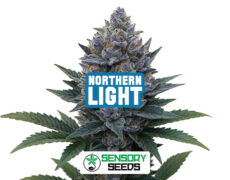

Cannabis Seeds and the Marijuana Plant: An Introduction
Cannabis is a plant with very ancient origins, used for millennia for medicinal, textile, and ritual purposes. Cannabis seeds are the foundation of cultivation and represent the first step to obtaining healthy and productive plants. There are different categories of seeds, each with specific characteristics that influence the growth, yield, and cannabinoid content of the plant.
Among the most appreciated types are feminized marijuana seeds, ideal for obtaining exclusively female plants, and autoflowering cannabis seeds, which sprout and flower regardless of the photoperiod, allowing for quicker harvests and more flexible cultivation. Fast flowering marijuana seeds and fast-growing seeds are designed to accelerate the vegetative cycle, reducing the waiting time between sowing and harvest without compromising quality and yield.
The marijuana plant can be cultivated both indoors and outdoors, and the choice of seed type directly affects cultivation techniques and final results. Care in seed selection and in preparing the soil or substrates is essential to obtain vigorous plants, with a balanced cannabinoid content and an optimal vegetative structure.
Cannabis vs Light Cannabis: The Main Differences
Many enthusiasts and growers wonder what the difference is between traditional cannabis and light cannabis. The main distinction concerns the THC content, the primary cannabinoid responsible for psychoactive effects. Light cannabis contains very low amounts of THC, generally below 0.2–0.3%, and higher levels of CBD, the cannabinoid known for its therapeutic and relaxing properties without intoxicating effects.
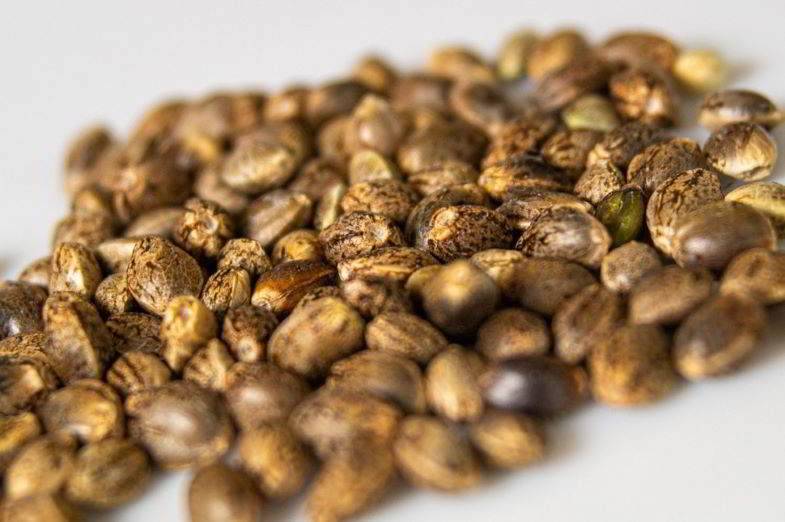
Cannabis seeds intended for the production of light cannabis come from plants selected for low THC levels and high CBD concentration. Cultivation requires attention to seed genetics, as the stability of chemical traits is essential to obtain products that comply with the law and remain consistent in quality. In contrast, feminized marijuana seeds or fast-flowering marijuana seeds intended for traditional cannabis aim to maximize THC content, to meet specific recreational or medicinal needs.
Understanding the difference between the two types is essential not only for those who wish to consume cannabis legally but also for those who want to cultivate safely, choosing the seeds best suited to their purpose and type of cultivation.
Read also: All About the Marijuana Plant: Origins, Effects, and Insights
How to Store Cannabis and Light Cannabis Seeds
Storing cannabis seeds is a crucial step to ensure they maintain vitality, genetic quality, and the ability to germinate properly over time. Seeds stored improperly can quickly lose their effectiveness, producing weak plants with irregular growth or reduced productivity. Care in storage begins from the moment of purchase or harvest, always choosing healthy, intact seeds free from visible defects.
The most effective method is to keep the seeds in a cool, dry, and dark environment, where relative humidity is consistently controlled. Excess humidity can promote mold formation and seed deterioration, while excessively high temperatures accelerate seed metabolism, reducing their longevity. Airtight containers, tin boxes, or glass jars with sealed lids are ideal tools to protect seeds from moisture, light, and temperature fluctuations, ensuring stable storage over time.
For those who want long-term storage, many growers choose refrigerators or freezers. It is essential, however, to ensure that the seeds are completely dry before being stored, and that they are kept separate from food or other materials that could contaminate the environment. In addition, each container should be labeled with the seed type, variety, harvest or purchase date, and any notes on the cultivation cycle, so as to always keep track of genetic quality and storage time.
Some varieties, such as autoflowering cannabis seeds and fast-growing seeds, show greater resistance and germination ability even after prolonged periods, but this does not eliminate the need to pay attention to environmental conditions. It is advisable to periodically check the condition of the seeds, avoiding exposure to direct light or sudden temperature changes, which can compromise their vitality.
Another precaution concerns the separate storage of seeds from different varieties, especially if you have feminized marijuana seeds or fast-flowering marijuana seeds, to avoid confusion or accidental mixing. By following these measures, even seeds stored for years can maintain effective germination, allowing for lush and productive plants at the time of sowing.
Finally, to optimize storage, some professional growers use vacuum-sealed bags or add silica gel packets inside the containers to absorb residual moisture, ensuring an even more stable and secure environment.
Read also: Cannabis Legalization: Current Situation and Future Prospects in Europe

Optimal Method for Growing Cannabis Seeds
Growing hemp seeds requires dedication, patience, and a good understanding of the different stages of plant development. The success of any cultivation depends on the quality of the seeds and the care given during the early growth phases. The first step is germination, which can be done using the damp paper towel technique, kept in a warm and dark environment, or directly in slightly moist soil. In both methods, it is important to avoid excess water, as the seeds could rot or develop mold.
Once the seeds have germinated, they need to be transferred into pots filled with high-quality soil, well-drained and enriched with balanced nutrients. The ideal substrate should contain peat, coconut fiber, or quality compost, ensuring both good aeration and water retention. The choice of pots affects root growth: containers that are too small can limit development, while pots that are too large require more time for proper drainage.
Cannabis plants need constant light, natural or artificial, with a photoperiod of at least 18 hours per day during the vegetative phase. Light is essential for the development of strong leaves and an efficient branching structure. For feminized marijuana seeds and fast-flowering marijuana seeds, the flowering stage requires particular attention: the quantity and intensity of light, together with specific fertilizers rich in phosphorus and potassium, promote the production of dense, cannabinoid-rich flowers.
Irrigation must be regular but moderate. It is important to water only when the surface of the substrate is dry, avoiding water stagnation that can damage the roots and encourage fungal diseases. Proper drainage techniques and the use of saucers with drainage holes help prevent root rot issues.
Pruning and training the plants are effective tools to improve light penetration and air circulation within the canopy, encouraging uniform growth and reducing the risk of mold or infestations. Techniques such as “scrog” (Screen of Green) or LST (Low Stress Training) allow optimization of space and an increase in yield without excessive stress on the plants.
For those cultivating autoflower seeds, managing the photoperiod is less critical, as these varieties begin to flower automatically after a certain growth period. However, it is essential to provide sufficient light and balanced nutrients throughout the entire life cycle, from rooting to flowering, to obtain compact and productive plants.
Other useful measures concern the control of temperature and humidity: the vegetative phase prefers slightly warmer and more humid conditions, while during flowering it is advisable to reduce humidity to prevent mold on the flowers. Regularly monitoring the pH and electrical conductivity of the water and fertilizers helps ensure that the plants properly absorb essential nutrients.
Finally, harvesting must take place at the right time, by observing the trichomes on the flowers. Feminized marijuana seeds, fast-flowering marijuana seeds, and autoflower cannabis seeds reach their highest quality and cannabinoid concentration only if allowed to mature according to the genetic timing of the variety, avoiding premature harvests that would reduce the yield and aromatic profile of the plant.
Conclusions
Cannabis seeds and light cannabis today represent a rapidly growing sector that combines passion, science, and respect for regulations. The choice of the right seeds, the understanding of the differences between traditional cannabis and light cannabis, proper storage, and cultivation techniques are key elements for obtaining healthy and productive plants.
Varieties such as feminized marijuana seeds, autoflowering cannabis seeds, and fast-flowering marijuana seeds offer solutions suited to different needs, from recreational use to collecting, from indoor experimentation to outdoor cultivation. With care and attention, every grower can turn seeds into lush plants, contributing to a market that is increasingly safe, regulated, and innovative.