

Published on: 07/11/2025
Explore the Marijuana Plant: Types, Benefits, and Differences from Light Marijuana
The marijuana plant is one of the most well-known and debated plants worldwide, valued both for its therapeutic properties and recreational effects. From its ancient origins to modern varieties developed in laboratories and controlled cultivations, marijuana has played a significant role in history, culture, and contemporary medicine.
With scientific advancements and evolving regulations, cannabis is now studied for its effects on the mind and body. Low-THC varieties, known as light marijuana, offer the opportunity to enjoy the plant’s benefits without strong psychoactive effects. This article provides a comprehensive analysis of marijuana, highlighting the differences between its varieties, main types, and documented benefits, offering an in-depth guide to the plant.
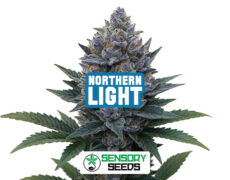



Marijuana Plant and Light Marijuana: Differences and Characteristics
Marijuana, including feminized marijuana seeds, belongs to the Cannabaceae family and is well-known for its cannabinoids, such as THC (tetrahydrocannabinol) and CBD (cannabidiol). THC is the primary psychoactive compound, responsible for euphoric and stimulating effects, while CBD does not alter cognitive functions and is studied for its therapeutic properties. Traditional marijuana typically contains THC levels above 15–20%, whereas light marijuana is bred to contain THC below 0.2–0.3%, in accordance with European and Italian regulations. This makes light marijuana legal in many countries and ideal for those who want to enjoy the plant’s benefits without the characteristic “high” associated with THC.
The differences between the two varieties go beyond chemical composition. Botanically, light marijuana produces less resinous flowers and has a milder terpene profile, while high-THC varieties develop denser buds rich in resin and active cannabinoids. Both require precise cultivation conditions, including adequate lighting, balanced nutrients, and controlled temperature and humidity. However, light marijuana is preferred by those seeking mild use, daily wellness products, or CBD extracts, whereas traditional marijuana is chosen by those looking for stronger psychoactive effects or therapeutic benefits linked to THC.
Read also: Cannabis Legalization: Current Situation and Future Prospects in Europe

Types of Marijuana Plants: Indica, Sativa, and Ruderalis
Marijuana, including plants grown from fast-flowering seeds, is mainly divided into three categories: indica, sativa, and ruderalis, each distinguished by physical traits, chemical composition, and effect profiles.
Cannabis Indica originates from the mountainous regions of India and Afghanistan. Indica plants are compact, with broad leaves and dense branching, making them well-suited for small indoor cultivation. Indica effects are primarily relaxing, promoting sleepiness, muscle relaxation, and stress reduction, making them ideal for pain relief, anxiety, or insomnia. Flowering time is relatively short, averaging 8–10 weeks, allowing for quick harvests.
Cannabis Sativa comes from equatorial and tropical regions, such as Southeast Asia and Central America. These plants grow tall, with long internodes, thin leaves, and complex aromatic profiles. Its effects are stimulating, cerebral, and creative, promoting energy, motivation, and focus. Sativa requires longer flowering times compared to indica, typically between 10 and 16 weeks, and produces elongated, less dense buds.
Cannabis Ruderalis, originating from cold regions like Russia and Eastern Europe, is distinguished by its ability to autoflower independently of the photoperiod. This trait makes it valuable for creating hybrid autoflowering strains, combining sativa or indica characteristics with the hardiness of ruderalis. Ruderalis effects are generally milder, and THC content is low, but the plant can be used for CBD extraction or as a base for resilient hybrid cultivars.
Understanding these botanical and chemical differences is essential for selecting the variety best suited to individual recreational or therapeutic needs, directly influencing effects, aroma, and cultivation duration.
Read also: Complete Guide to Cannabis Sativa: Origins, Effects, and Benefits
Benefits of the Marijuana Plant
Beyond recreational effects, the marijuana plant, including autoflowering cannabis seeds, is widely valued for its multiple therapeutic and health benefits, associated with both THC and CBD, two of the plant’s primary cannabinoids. These compounds interact with the endocannabinoid system, modulating various physiological functions and contributing to overall well-being. Scientific research has shown that responsible cannabis use can provide significant advantages.
- Chronic Pain Relief: THC and CBD act on endocannabinoid receptors in both the central and peripheral nervous systems, modulating pain perception. This makes marijuana useful for individuals with chronic conditions such as rheumatoid arthritis, fibromyalgia, neuropathic pain, and persistent back pain. Some studies report that chronic pain patients can reduce their use of traditional medications, such as opioids, through controlled cannabis supplementation.
- Nausea and Vomiting Control: Marijuana is particularly effective in reducing nausea and vomiting, especially in patients undergoing chemotherapy or intensive drug treatments. THC appears to act directly on the brain centers responsible for the vomiting reflex, while CBD helps modulate gastrointestinal stress, making the plant a valuable therapeutic tool for relieving digestive discomfort.
- Sleep Improvement: Certain strains, particularly indica varieties, promote mental and muscular relaxation, helping to combat insomnia and sleep disturbances. Consuming marijuana before bedtime can reduce the time needed to fall asleep, improve deep sleep quality, and decrease frequent nighttime awakenings. Clinical studies also suggest that cannabis may positively affect circadian rhythm disorders, enhancing sleep continuity and regularity.

- Anxiety and Stress Reduction: Non-psychoactive CBD is studied for its anxiolytic and relaxing properties. It can reduce symptoms associated with chronic stress, generalized anxiety, and panic attacks, promoting a calm mental state without cognitive impairment. Properly dosed THC can also contribute to feelings of euphoria and well-being, but careful dosing is crucial to avoid opposite effects such as paranoia or nervousness.
- Appetite Stimulation: THC is known to increase appetite, a phenomenon commonly referred to as the “munchies.” This effect is particularly beneficial for individuals experiencing pathological weight loss, eating disorders, or conditions that reduce appetite, such as cancer treatments, HIV/AIDS, or chronic debilitating illnesses.
- Neurological Support: Preliminary research indicates that cannabis may have positive effects on neurological disorders such as multiple sclerosis, epilepsy, Parkinson’s disease, and spasticity. CBD, in particular, appears to modulate neuronal activity and reduce seizures in some patients, while THC can help relieve muscle stiffness and pain associated with neurodegenerative conditions.
- Anti-Inflammatory Effects: CBD and other cannabinoids have demonstrated both systemic and localized anti-inflammatory properties. This can be beneficial in chronic inflammatory conditions, such as arthritis, ulcerative colitis, dermatitis, and other autoimmune disorders, helping to reduce pain, swelling, and tissue damage.
- Neuroprotective Properties: Some studies suggest that marijuana may protect neurons from oxidative stress and enhance brain plasticity. This implies a potential role in preventing neurodegenerative diseases and supporting cognitive functions, including memory, concentration, and learning abilities.
- Emotional Support and Psychological Well-Being: Beyond physical benefits, cannabis can promote overall emotional well-being, improve mood, and increase motivation. The combined effect of cannabinoids and terpenes in the plant may help alleviate mild depression and enhance psychological resilience.
These benefits make marijuana a valuable therapeutic option and a tool for daily well-being, provided its use is responsible and supervised, especially when THC is present. Selecting the right strain, dosage, and method of consumption is crucial to maximize positive effects and minimize risks, making cannabis a versatile and beneficial resource for both medical purposes and personal wellness.
Conclusions
Marijuana is an extraordinarily complex plant that intertwines history, culture, science, and medicine. Understanding the differences between traditional and light varieties, as well as between indica, sativa, and ruderalis, and exploring the proven benefits of cannabinoids allows for its conscious and targeted use.
Today, marijuana—including the use of feminized marijuana seeds—goes far beyond recreational purposes: it is studied for its therapeutic properties, used in CBD-based products, and recognized as a global cultural icon. Whether the goal is to relieve chronic pain, stimulate creativity, manage anxiety and stress, or deepen botanical knowledge, a thorough understanding of the plant enables its potential to be harnessed responsibly and effectively.