

Published on: 30/01/2026
Complete guide to CBD seeds: selection, cultivation, and benefits of cannabidiol
The legal cannabis market has grown exponentially in recent years, along with interest in CBD, one of the most discussed and studied components of the plant. CBD cannabis seeds (or CBD seeds) are the starting point for those who want to grow their own plants for therapeutic or wellness purposes, ensuring varieties with low THC content and high CBD content.
In this complete guide, we will explore everything you need to know about CBD seeds, from the differences compared to other types of cannabis seeds, to the various types available on the market, to cultivation techniques and the benefits of CBD. The goal is to provide detailed information useful both for beginner growers and for those with experience in the field, to achieve healthy and productive plants.
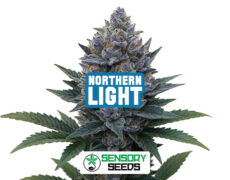

CBD Seeds: What They Are and Differences from Other Types of Cannabis Seeds
CBD seeds are cannabis seeds specifically selected to produce plants with a high cannabidiol (CBD) content and very low levels of THC, the psychoactive compound responsible for the “high” effect. This characteristic makes them legal in many countries and particularly appreciated by those seeking the therapeutic benefits of cannabis without psychoactive effects.
Unlike traditional marijuana seeds, which can have variable and often high THC levels, CBD marijuana seeds are cultivated specifically to produce plants rich in CBD and free from psychoactive properties. This means that the genetics of CBD seeds are carefully selected to ensure uniformity and predictability in plant yield.
Additionally, compared to cannabis seeds intended for recreational use, CBD seeds stand out for their genetic stability and their ability to produce flowers suitable for oil extraction, tinctures, or other derived products, without legal risks. Traditional or recreational cannabis seeds may contain THC above the legal threshold, making cultivation or consumption illegal in many countries.
Finally, there are also autoflowering and feminized cannabis seeds within the broader cannabis seed market, but in CBD seeds, these traits are primarily used to facilitate cultivation, ensure faster flowering, and simplify plant management, especially for those growing at home or in limited spaces.
The Three Main Types of CBD Seeds
CBD seeds are mainly divided into three types: feminized, autoflowering, and fast-flowering. Each category has specific characteristics that affect yield, flowering time, and the cultivation conditions required.
Feminized seeds are designed to produce exclusively female plants, which are the ones that develop flowers rich in CBD. This feature eliminates the risk of growing male plants, which do not produce usable flowers and can fertilize females, compromising the quality of the harvest. The genetic selection of feminized seeds also ensures uniformity in growth and yield, making them ideal for those seeking a predictable and consistent harvest.
Autoflowering seeds bloom automatically after a certain growth period, regardless of the light cycle. This characteristic makes them very popular among indoor growers or those with limited time to manage artificial lighting. Autoflowering CBD plants tend to be more compact, have a shorter life cycle, and require simplified management while still maintaining a good CBD content.
Finally, fast-flowering seeds, also known as quick-flowering, are selected to complete the vegetative and flowering cycle in a reduced time. These varieties are ideal for those who want to achieve multiple harvests in a year or grow in regions with short growing seasons. Despite their speed, fast-flowering plants maintain a stable CBD content and satisfactory yield, making them a practical choice for experienced and professional growers.
The choice among these three types depends on the grower’s experience level, available space, time dedicated to plant care, and personal needs regarding yield and CBD quality.
Read also: Cannabis in Germany: Legal Status, Market, and 2026 Trends

How to Grow CBD Seeds
Growing CBD seeds requires attention to several factors, including the cultivation method, soil, light, temperature, and other environmental conditions. Proper management of these elements is essential to obtain healthy plants with high CBD content and good yields.
Types of Cultivation
Cultivation can be done either indoors or outdoors, each with its own advantages and disadvantages. Indoor cultivation allows precise control over light, temperature, humidity, and ventilation, offering the possibility to grow year-round and achieve consistent quality. However, it requires the use of grow lights, ventilation systems, and environmental control equipment, which entails a higher initial investment.
Outdoor cultivation relies on natural conditions, sunlight, and the soil of a garden or dedicated field. This method is more economical and allows for larger plants, but it is subject to climate variations, pests, and seasonal changes. Outdoor plants require careful planning to avoid damage from rain or cold and to ensure that flowering coincides with optimal weather conditions.
Soil and Nutrients
The ideal soil for cultivating CBD seeds should be fertile, well-drained, and rich in organic matter. Many growers choose soil mixes containing peat, compost, and perlite to ensure proper aeration and balanced water retention. Fertilization should be adjusted according to the growth stage: nitrogen-rich nutrients promote the vegetative phase, while phosphorus and potassium support flowering and cannabinoid production.
Light and Temperature
Light is a crucial factor for CBD plant growth. In indoor cultivation, HPS, LED, or CFL lamps with spectra suitable for both vegetative growth and flowering are commonly used. Autoflowering plants require less attention to photoperiod, while feminized plants can benefit from precise light/dark cycles to optimize flower production.
The ideal temperature ranges between 20 and 28 degrees Celsius during the day, with a slight drop at night to promote development. Temperatures that are too low or too high can slow growth and reduce cannabinoid production.
Practical Tips
Beyond the technical elements, successful cultivation requires constant observation and attention to detail. Regularly check plants for pests or diseases, prune excess leaves, and ensure adequate ventilation to maximize yield. Water quality also affects growth: water that is too hard or contains chlorine can damage roots, so it is recommended to use filtered or decanted water.
Read also: Effects of Cannabis on Adolescents

Benefits of CBD
CBD (cannabidiol) is well known for its therapeutic effects and wellness benefits, without the psychoactive effects of THC. Some of the main benefits include reducing stress and anxiety, improving sleep, and supporting the management of pain and inflammation.
CBD is also used in cosmetic products for its antioxidant and soothing properties, and in dietary supplements to promote balance and relaxation. Unlike THC, CBD does not cause euphoria or cognitive alterations, making it suitable for those seeking the therapeutic effects of cannabis without the risk of getting “high.”
Growing fast-flowering, autoflowering cannabis seeds, or other types of CBD marijuana seeds allows growers to have plants rich in cannabidiol for personal extractions, oils, infusions, or topical preparations, ensuring complete control over the quality and safety of the final product.
Conclusion
CBD seeds are today the ideal choice for those who wish to grow legal cannabis with high CBD content and low THC. Understanding the differences between seed types, selecting the variety that best suits your needs, and following proper cultivation techniques are essential to obtaining healthy, productive plants rich in active compounds.
Whether growing indoors or outdoors, using feminized marijuana seeds, autoflowering marijuana seeds, or fast-flowering varieties, every choice affects the yield and quality of the harvest. The benefits of CBD, from stress management to support for physical and mental well-being, make these seeds not only an opportunity for cultivation but also an investment in health.
Growing your own CBD seeds allows full control over genetics, quality, and cultivation methods, ensuring satisfying results for growers of all levels. With the right information and a bit of practice, even beginners can achieve a rich harvest and robust plants, fully enjoying the benefits of cannabidiol.