

Published on: 12/12/2025
Introduction to Cannabis Seeds for Outdoor Cultivation
In recent years, the collectible cannabis seed market has experienced significant growth, accompanied by an increasing demand for reliable and easy-to-understand information about the varieties best suited for outdoor cultivation.
It is important to emphasize that all seeds featured on this site are intended exclusively for collection purposes, and that every enthusiast must always comply with the laws and regulations in force in their own country or region.

This article aims to provide a guide to choosing the most suitable seeds for outdoor growing, outlining the key principles of outdoor cultivation, the crucial role of climate, and the main applicable techniques. It concludes with an overview of the varieties generally most recommended for outdoor environments.
The approach is practical rather than technical: our goal is to offer useful content that can help convert readers into customers—without delving into professional-level details or encouraging any activities that may not comply with existing regulations.
Outdoor Growing: Overview and What It Means to Cultivate in Open Air
Growing outdoors means taking advantage of natural elements such as sunlight, temperature, and seasonal cycles to promote healthy plant development. Unlike indoor cultivation, which takes place in a controlled environment, outdoor growing offers several clear advantages: sunlight is both intense and free, available space is usually larger, and plants can develop a more natural and expansive structure.From a commercial perspective, the varieties intended for outdoor cultivation are specifically selected for their ability to adapt to variable environmental conditions, ensuring optimal yield and quality in relation to the climate for which they were developed.
For enthusiasts and collectors, selecting marijuana seeds for outdoor cultivation often involves a targeted search for genetic stability, ease of management, and distinctive organoleptic profiles. Any general analysis of outdoor growing must take into account the importance of genotype selection: some varieties originate from temperate climates, while others come from Mediterranean or continental regions. Understanding the origin and natural behavior of a particular strain is essential to assess whether it can adapt optimally to the environment in which it will be grown.
Still within the scope of general information, it is useful to remember that outdoor plants respond to seasonal changes, the natural photoperiod, and interactions with the soil’s microfauna and microflora—factors that give each growing season unique characteristics that are difficult to replicate in a greenhouse or indoor setting.
When considering outdoor cultivation, it is also essential to take logistical and regulatory aspects into account. Some varieties have been developed for their discretion—such as a compact height or a milder aroma—while others stand out for their vigorous, vertical growth accompanied by abundant flower production.
Read also: What Cannabis Seed Kits Are

Climate and Its Importance for Outdoor Cultivation
Climate is the primary factor influencing a variety’s ability to thrive in outdoor cultivation. Discussing climate does not simply mean distinguishing between hot and cold; it involves considering the full range of conditions that define a specific geographic area throughout the year: the length of the summer season, temperature fluctuations between day and night, average humidity levels, the frequency of late rains or particularly wet seasons, sunlight intensity, and the overall duration of the vegetative period.
Genetic varieties developed in Mediterranean environments are generally characterized by high drought resistance and maturation cycles that coincide with hot, relatively dry summers. In contrast, strains of continental origin exhibit greater tolerance to temperature fluctuations but often require a longer vegetative period to complete maturation.For this reason, when describing a cannabis seed intended for outdoor cultivation, it is useful to indicate—in general terms—the climatic zones for which it is most suitable: areas with mild, sunny weather; regions with short but intense summers; or wetter environments, where it is advisable to choose varieties with strong resistance to mold and fungal pathogens.
Another climate-dependent factor is the natural photoperiod: traditional photoperiod varieties begin to flower as the days shorten, whereas autoflowering strains flower according to their genetic maturity, regardless of light hours. This has a significant impact on selection: in regions with cool seasons or a risk of autumn rains, it is often advisable to choose genotypes with faster flowering times or autoflowering strains. In climates with long, stable summers, varieties that require more time to fully express their production potential can be successfully cultivated.
Additionally, the local microclimate represents the actual conditions the grower will face: a south-facing urban garden is not comparable to an open plot in the mountains. For this reason, each product description should indicate the general climatic zone and ideal conditions, while always advising users to familiarize themselves with local regulations before undertaking any cultivation activities.
Different Outdoor Cultivation Techniques — Overview Without Operational Details
In outdoor cultivation, there are numerous methods and approaches, each with its own advantages and limitations, influenced by genotype, available space, and the grower’s objectives. It is still possible to provide an overview of the main systems without going into operational details that would amount to practical cultivation instructions.
Among the most common methods are in-ground cultivation, which takes advantage of the depth and biodiversity of natural soil to promote vigorous root development; container or pot cultivation, which allows greater mobility and control over the root environment; and integrated approaches, which combine the use of seasonal greenhouses or light coverings to extend the vegetative season and protect plants from extreme weather events.There are also strategies designed to increase discretion, resin production, or plant stability under environmental stress, and each of these approaches influences the choice of the most suitable feminized seed.
When describing different techniques, it is useful to explain the principle without detailing the operational sequence: for example, rather than providing a list of “steps for planting,” one can discuss how the choice of growing medium (pot vs. in-ground) affects water management and root development freedom, or how the use of seasonal coverings can reduce risks associated with late rains or early frosts.Maintenance practices—such as pruning, supports, and canopy management—can also be addressed descriptively, highlighting their advantages and disadvantages without specifying practical execution, which would turn the text into a full operational guide.
The Best Seeds for Outdoor — Selection Criteria and Recommended Categories
Below are the main criteria that can be used to recommend seeds for outdoor cultivation, along with the categories of seeds that typically perform best.
Main Selection Criteria:
- Genetic Stability: Using feminized or autoflower seeds from stable lines minimizes differences between individual plants and ensures greater uniformity in field performance.
- Disease Resistance: For outdoor cultivation, it is advisable to choose genotypes capable of tolerating mold and frequent rainfall, especially in regions with high humidity.
- Climate Adaptation: Opt for varieties with adaptation traits compatible with the grower’s climatic zone (Mediterranean, continental, Nordic, subtropical).
- Maturation and Flowering: In areas with short seasons, fast-flowering varieties are often recommended, while slower-flowering strains tend to perform better in warm climates with longer growing periods.
- Genetic Type: Each category—autoflowering, feminized photoperiod, sativa-dominant, indica-dominant, and hybrids—has its own audience and specific use in outdoor cultivation.
- Organoleptic Profile: Aroma and flavor are key elements for marketing to collectors; highlighting characteristic terpene notes aids in the selection process.
Recommended Categories for Outdoor (and Why)
Autoflowering: Autoflowering seeds are often ideal for those seeking faster growth cycles or for cultivation in regions with unpredictable climatic conditions. Their main characteristic is that they begin flowering according to their genetic schedule, rather than the photoperiod, making them more predictable even in environments with variable light.In the context of a collectible seed catalog, autoflowering strains appeal to a broad audience: they are valued for both their speed of development and ease of management, representing a significant commercial advantage without needing to delve into operational details.
Feminized: Perfect for growers interested in achieving the full genetic potential, feminized photoperiod varieties allow the use of natural light to produce plants with varying sizes and shapes. They are the ideal choice for those aiming for maximum plant and product quality, provided that the local climate offers a sufficiently long growing season.
Sativa-Dominant for Outdoor: Sativa-dominant strains tend to produce taller plants with a longer flowering pattern. They are recommended for open spaces where plants can develop freely and in climates with long, sunny summers. The yield in terms of aroma and complexity can be excellent, which is why these genetics are highly valued by collectors.
Indica-Dominant for Outdoor: These varieties are often chosen in regions with short growing seasons or when growers seek robust plant structure. They are valued for their compact form and faster maturation compared to some sativa strains. For outdoor cultivation, indica-dominant varieties selected for resilience represent a reliable choice in many areas.
Resilient Hybrids: Many commercial selections today focus on balanced hybrids that combine vigor, resistance to biotic stressors, and moderate flowering times. These varieties often offer the best compromise between yield, stability, and adaptability to different microclimates.
3 Cannabis Seeds for Outdoor Cultivation
When selecting seeds for outdoor growing, it is essential to focus on genetics that offer advantageous traits such as good productivity in open-air environments, genetic stability, climate adaptability, and plant structure suited for outdoor growth. Below are three varieties selected from the Sensory Seeds catalog, with a brief explanation of why each represents an ideal choice for outdoor cultivation.
Read also: Ganja: History, Culture, and Meaning of an Iconic Term
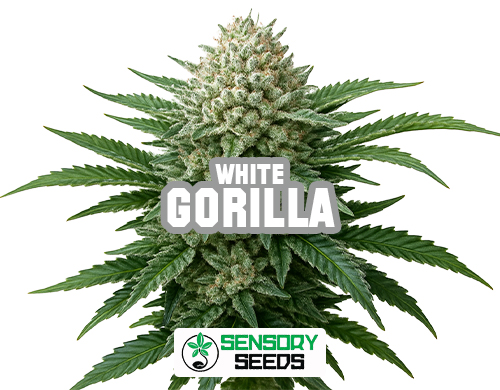
1) White Gorilla
This feminized, non-autoflowering variety combines two highly prestigious genetics: the renowned Gorilla Glue #4 and the classic White Widow. According to the official profile, in outdoor cultivation it can potentially produce up to around 1 kg per plant under optimal conditions.
Why is it suitable for outdoor cultivation?
- Its indica-dominant structure, with approximately 20% sativa genetics, makes it compact and easy to manage in open spaces, where height and size can otherwise be limiting factors.
- The high outdoor yield (up to 1 kg per plant) shows that it can thrive under favorable environmental conditions typical of outdoor growing.
- The sweet aroma profile, with earthy and citrus notes, makes it particularly appealing for collectors seeking premium catalog varieties.
In summary, for an outdoor grower looking for a stable, high-performing, and visually striking variety for their collection, White Gorilla is an excellent choice.
2) Orange Blossom
This variety is available in both feminized and autoflowering versions and features a sativa-dominant genetic profile (approximately 70% sativa / 30% indica), resulting from the cross between Cali Orange and the historic Pre-90 Skunk.
Why is it suitable for outdoor cultivation?
- Outdoor yields for the feminized version are reported at 500–700 g per plant under optimal conditions.
- Its open structure and sativa dominance make it ideal for outdoor growing, especially in areas with good sun exposure and long vegetative cycles. The plants develop a light, well-aerated structure, which helps prevent common issues in outdoor environments.
- The strong citrus aroma and flavor (mandarin/orange notes) make it appealing for collectors seeking strains with a distinctive terpene profile.
Overall, for growers with outdoor space and good sunlight who want a sativa-dominant variety with excellent yield and easy management, Orange Blossom is a reliable choice.
3) Tangie Auto
This is a sativa-dominant autoflowering marijuana seed variety (~70% sativa) derived from the cross between California Orange and Skunk. It has a relatively fast growth cycle (approximately 9–10 weeks) and, under optimal conditions, can achieve outdoor yields of 500–700 g per plant.
Why is it suitable for outdoor cultivation?
- Autoflowering genetics eliminate the need to rely solely on the photoperiod, making the plants more predictable in outdoor environments where light hours can vary.
- The reported yields are strong for outdoor cultivation, and the sativa dominance allows the plants to fully utilize sunny, open spaces.
- The aromatic profile is highly appealing (mandarin/citrus), making it perfect for collectors seeking quality and sensory distinction.
In summary, Tangie Auto is an excellent option for growers looking for a faster outdoor seed with modern genetics and strong sensory appeal.